
conversion

What would it look like if?

What would it look like if we lived like we are children of God? Wouldn’t everything look different? Our culture, relationships, even our politics? Each week, I do at least one interview about my latest novel, Plausible Liars. There is a commonality among the interviewers’ questions about the unusual title: my explanation of its origin […]

What would it look like if? Read More »
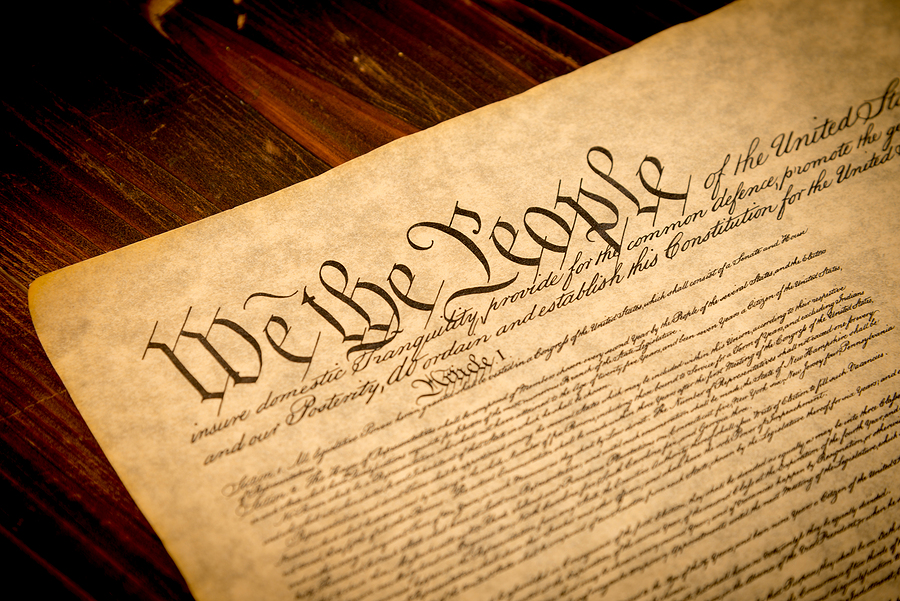
Quo Vadis America: Thomas Jefferson’s Revolution or St-Just?

Quo Vadis America? “Our nation is too full of those that are crying Down…Down with schools. Down with the churches. Down with teachers. Down with government. Down with the police. Can you build anything down? You cannot!” Archbishop Fulton Sheen exclaimed to his TV audiences about America during his popular TV show in the mid-1960s. He honed in

Quo Vadis America: Thomas Jefferson’s Revolution or St-Just? Read More »

language: subtle perversions

Language: Not So Subtle Perversions

Language: not so subtle pervisions One of the last classes I took to satisfy the number of courses needed for my undergraduate major in English was Linguistics. Taught by the head of the English department in the small college, it was, by far, one of the tougher courses for me. Not because the material was

Language: Not So Subtle Perversions Read More »

Revealed to the Childlike: Religion Begins with Experience

Religion begins with experience Religion does not start out with the notion of God. It starts with a personal experience, the overwhelming experience of ultimate belonging. Religion of the Heart Two pictures side by side in one frame hang on the wall of our Texas home. They reveal two views of a snowy cross-country skiing mountain

Revealed to the Childlike: Religion Begins with Experience Read More »

Politicians Have A Patron Saint: It’s a Joke, Right?

Politicians have a patron saint: It’s a joke, right? The young couple’s reaction could well be anyones’ in this muddled, politics-soaked early twenty-first century, when told there is indeed such a person: It’s a man from the sixteenth century. On their minds might be two questions: It’s next to impossible to miss the parallels between

Politicians Have A Patron Saint: It’s a Joke, Right? Read More »

It’s June: Thinking About Time and Death

It’s June: Thinking About Time and Death It’s June, why aren’t you writing about excellent graduation speeches? I planned to do just that, even had a few graduation speeches selected for consideration, until Monday’s walk with Seymour and John’s comment about my second chance. Monday was June 1st. While putting my dog Seymour’s collar and

It’s June: Thinking About Time and Death Read More »

STOP In The Name Of GOD: WHY?

STOP In The Name Of GOD: WHY? Only after my read of Charlie Kirk’s last book of that name, do I fully grasp the Sunday commandment and why I vow to abstain from unnecessary work or cause others to work on the Lord’s Day. So when God delivers Israel and gives them the Sabbath, He

STOP In The Name Of GOD: WHY? Read More »

The Distinctly Separate Natures of Women and Men

The distinctly separate natures of women and men “Wait—Are you saying that there’s no difference between men and women? “That the sole difference between the sexes is anatomic and biologic?” The air was suddenly charged. And the easy energy between us gone. Startled and confused, I said, “Well, yes, of course…” But my words faded

The Distinctly Separate Natures of Women and Men Read More »

Anamnesis: Perils of Ignoring It

Anamnesis: Perils of Ignoring It

Anamnesis Four-or more-syllable words are intimidating, like this one: anamnesis. But to lovers of words, this one means far more than remembering, recalling to mind. Or a psychological term indicating a return of lost memories. Wordsworth’s poem, Ode: Intimations of Immortality from Recollections of Early Childhood, describes anamnesis without ever mentioning the word. Because it

Anamnesis: Perils of Ignoring It Read More »

Knowledge Is Power: The Right Not to Know

Knowledge is power The phrase, knowledge is power, is a well-known mantra. One that, for some, is unquestioned. It was Sir Roger Bacon who first wrote ipsa scientia potestas est in his Meditations. But much earlier, the Book of Proverbs attests to the strength of the wise man and the man with knowledge. The voices

Knowledge Is Power: The Right Not to Know Read More »

Scroll to Top